Electrical ratings
Operating voltage, AC/DC suitability, frequency, short-circuit rating and protective-device coordination.
Modular electrical enclosures bring project-defined power equipment into an integrated package. Define the system boundary, module scope and site interfaces as part of the electrical infrastructure plan.
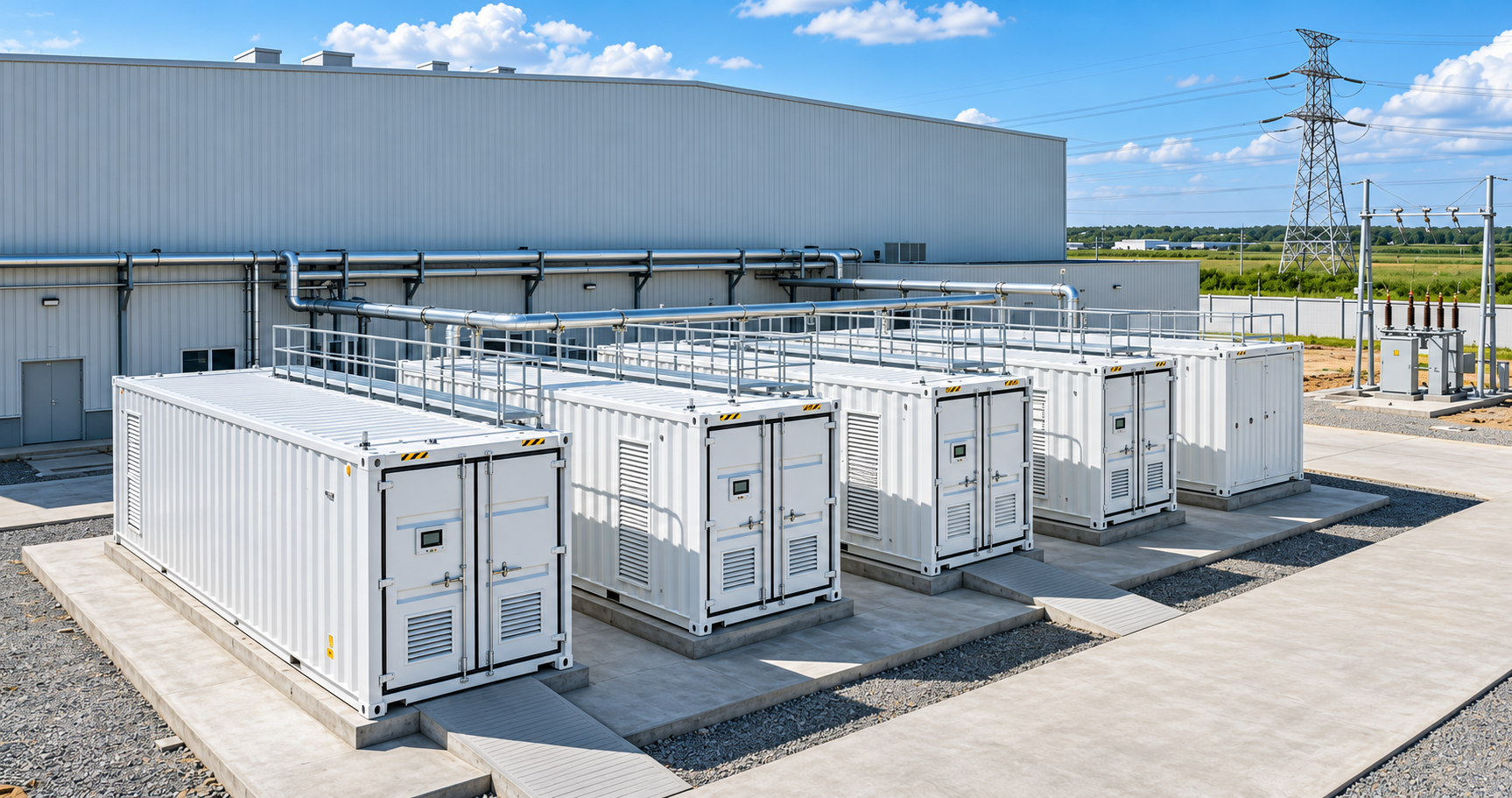
Explore available ratings and configuration options. Final specifications depend on your selected configuration.
| Product family | Prefabricated electrical enclosure / power pod |
|---|---|
| Module functions | Medium-voltage distribution; transformer; UPS or DC power; energy storage |
| Integration scope | Equipment installation, wiring and factory test scope defined per project |
| Transformer example | 10 kV to 400 V in the source design; not a standard U.S. offering |
| UPS architecture example | 400 V AC UPS in the source design |
| DC architecture examples | 240 V DC / 800 V DC discussed in the source design; project qualification required |
| Storage architecture | Battery / BMS / PCS / EMS integration described in the source design |
| Delivery interfaces | Foundation, cable connections, site access and commissioning scope |
| Dimensions and capacity | Project-defined; no universal module rating or footprint published |
Operating voltage, AC/DC suitability, frequency, short-circuit rating and protective-device coordination.
Dimensioned drawings, tap-off spacing, cable entries, support spacing, IP rating and environmental limits.
Selected-assembly certification evidence, test records, installation instructions and approved bill of materials.
Products are designed to meet applicable UL requirements, with certification arranged for the selected project configuration. Custom electrical ratings or design changes may require additional evaluation, testing or a new certification scope.
Planning timeline: approximately 3 months. This project estimate starts once the configuration, documentation and test samples are ready. Final scope, timing and certification are subject to UL review and successful testing.
Explore the enclosure, installation and integrated electrical equipment.
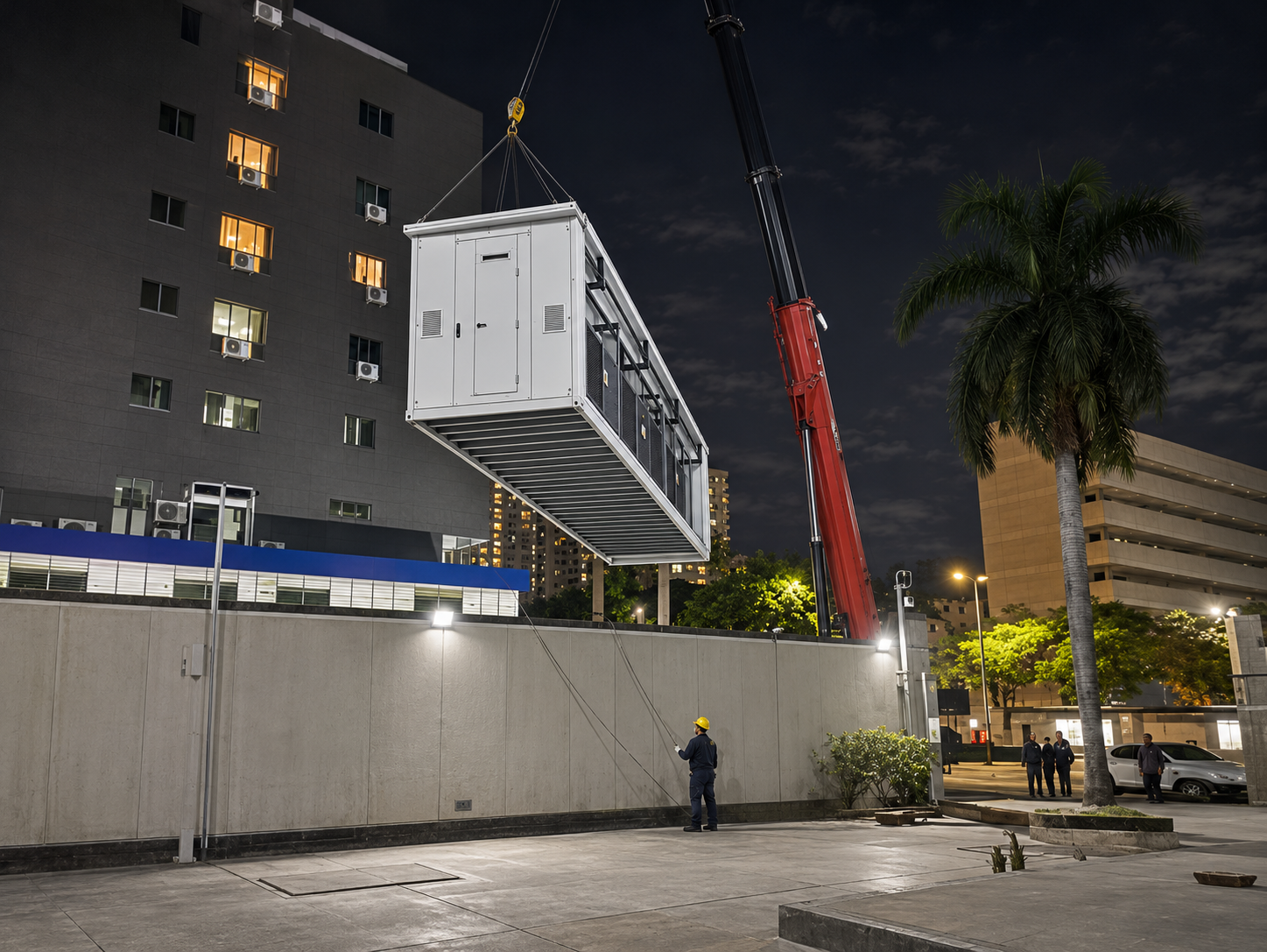
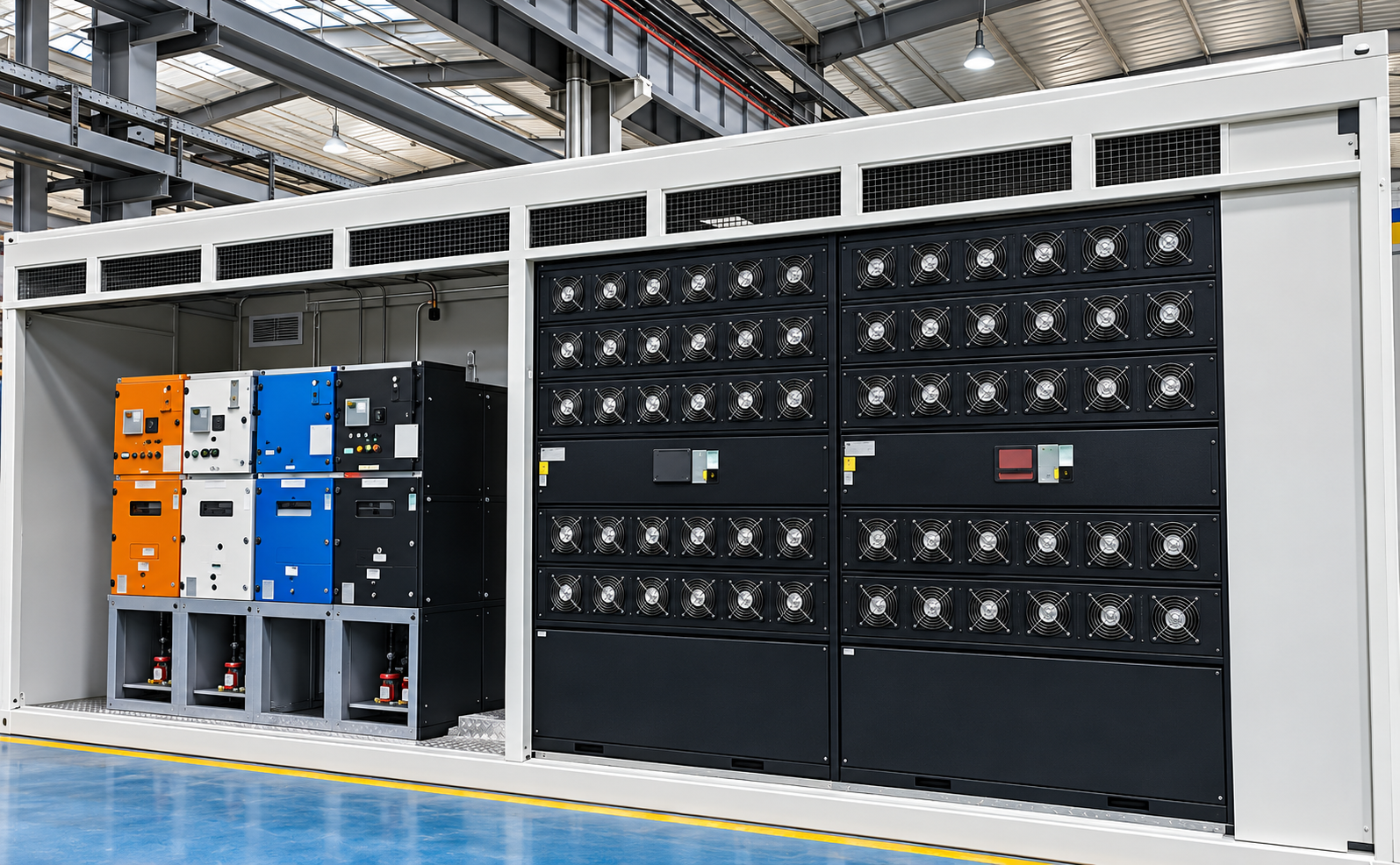
Explore distribution, transformer, UPS/DC power or energy storage functions as required by the project.
Coordinate equipment interfaces, cable entries and the intended factory testing scope.
Define foundations, utility connections, installation access and commissioning responsibilities.
Module contents, testing, site work and commissioning scope are agreed for each project.
Build your project brief ↗