Electrical ratings
Operating voltage, AC/DC suitability, frequency, short-circuit rating and protective-device coordination.
Remote power panels bring branch distribution and electrical monitoring together for high-density IT loads. Start with the rack demand and define the panel around the electrical design.
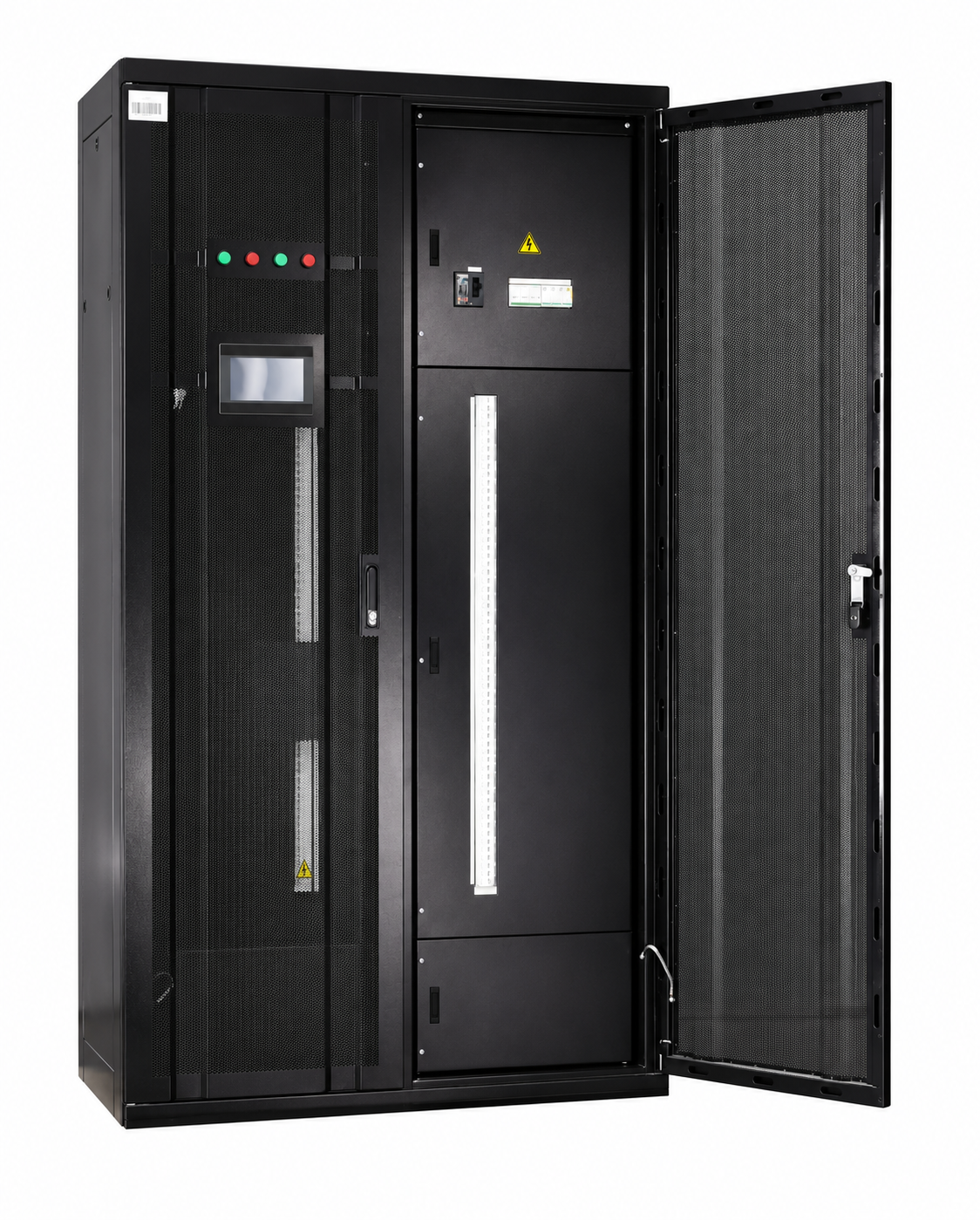
Explore available ratings and configuration options. Final specifications depend on your selected configuration.
| Product family | High-density remote power panel |
|---|---|
| Reference incoming current | 1250 A in the illustrated catalog configuration |
| Reference branch current | 125 A branch example; circuit count follows the approved schedule |
| Monitoring modules | SPDS-M and PDM described in the source configuration |
| Interfaces listed | RS232 / RS485 / RJ45; protocol and port functions to be confirmed |
| Electrical architecture | Incoming protection and branch distribution in a cabinet assembly |
| Output schedule | Project-specific circuit count, pole count and breaker selection |
| Mechanical configuration | Cabinet dimensions, access and cable entries require model drawings |
Operating voltage, AC/DC suitability, frequency, short-circuit rating and protective-device coordination.
Dimensioned drawings, tap-off spacing, cable entries, support spacing, IP rating and environmental limits.
Selected-assembly certification evidence, test records, installation instructions and approved bill of materials.
Products are designed to meet applicable UL requirements, with certification arranged for the selected project configuration. Custom electrical ratings or design changes may require additional evaluation, testing or a new certification scope.
Planning timeline: approximately 3 months. This project estimate starts once the configuration, documentation and test samples are ready. Final scope, timing and certification are subject to UL review and successful testing.
Explore the equipment, components and assembly details.
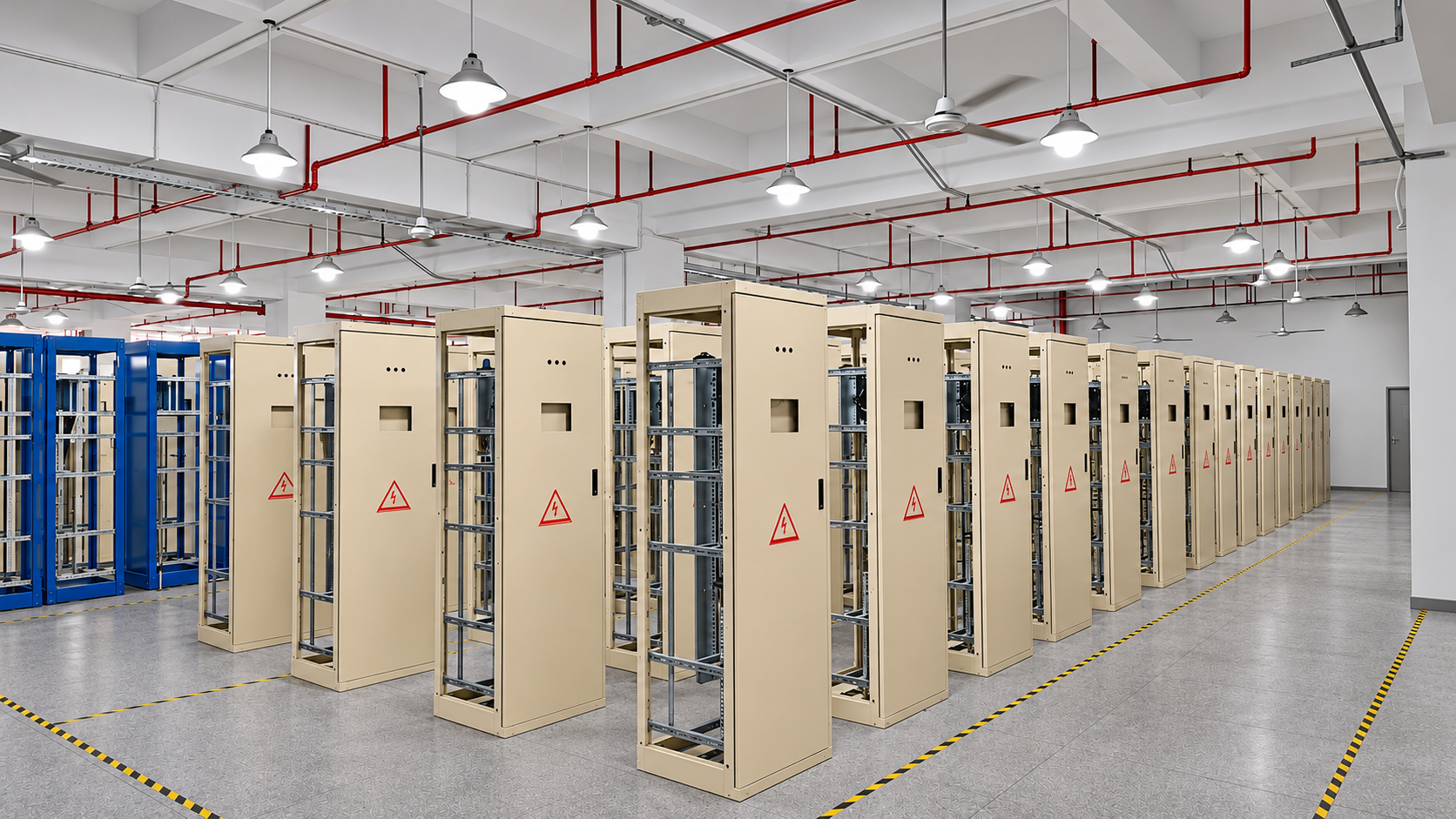
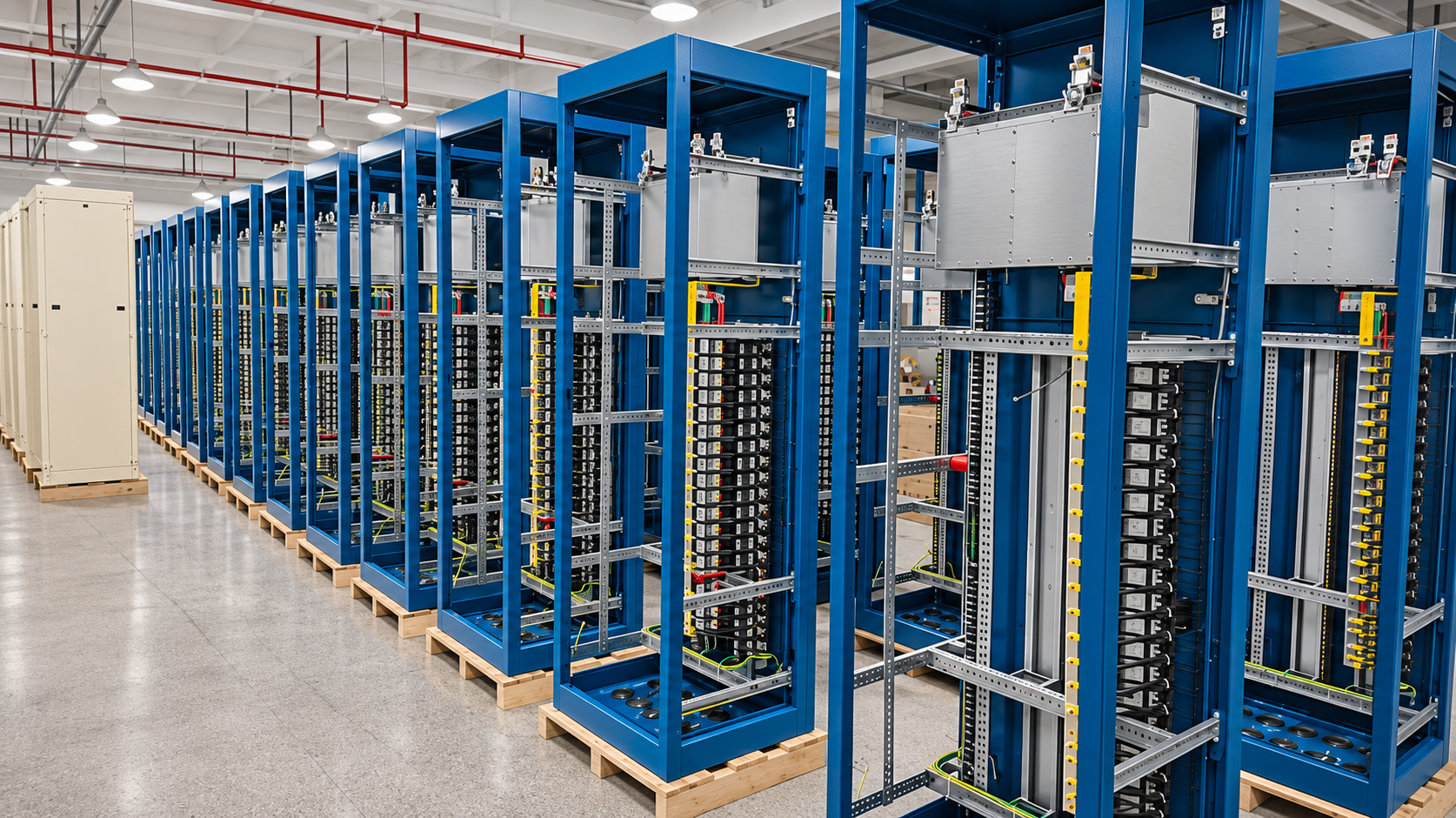
Define the incoming supply, circuit schedule and protective devices around the project load.
Discuss the measurements, alarm points and monitoring interfaces required by your operations team.
Review cabinet layout, cable access and installation space before selecting a configuration.
Circuit counts, ratings, protective devices and communications are configuration-specific.
Build your project brief ↗